



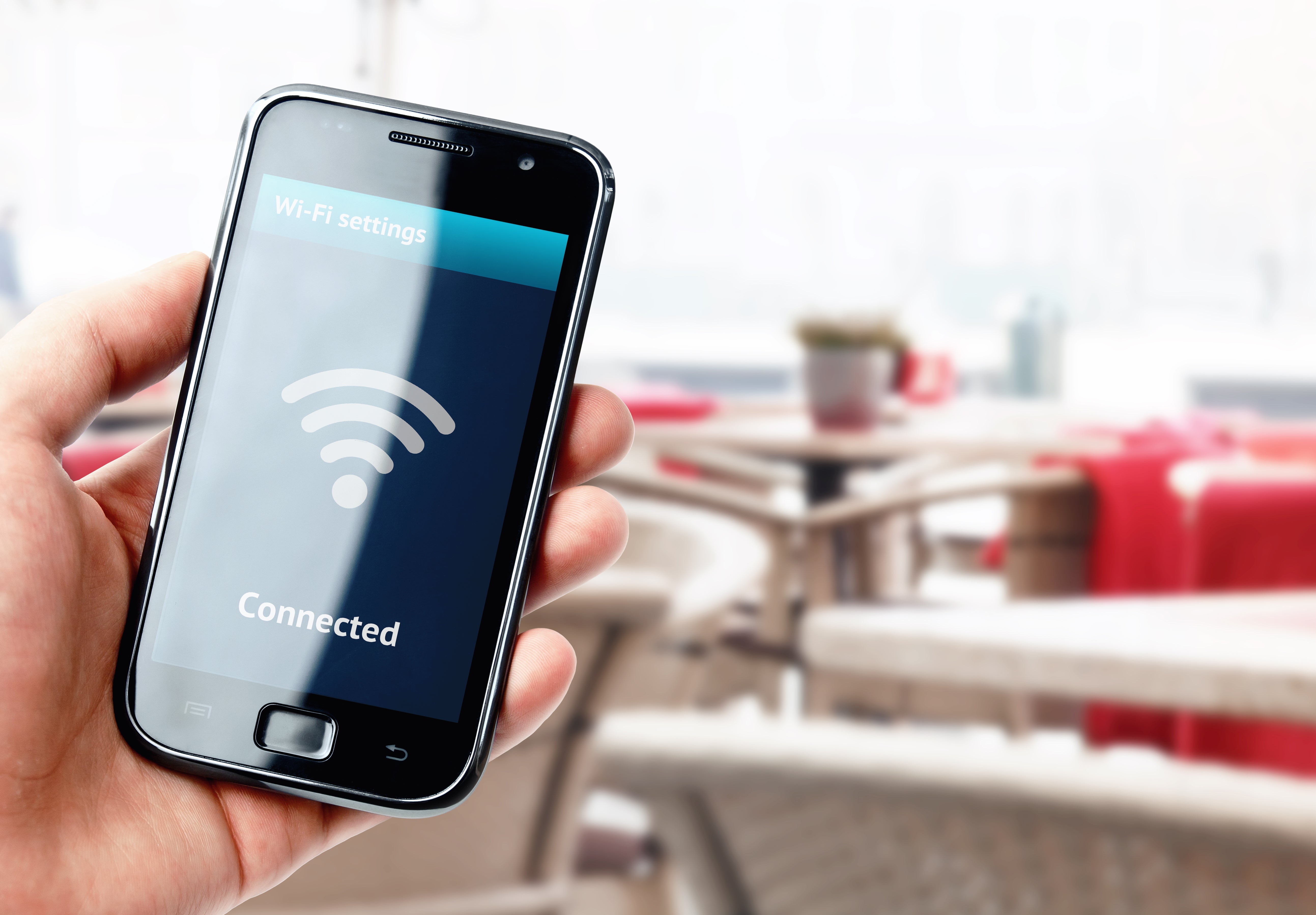
Not long ago, remote control for intimate toys meant exactly that: a cord and a physical remote with a couple of buttons. Today, that same control happens from a smartphone, from across the room or across the world, with intensity settings and vibration patterns that sync in real time. This shift didn't happen overnight. It's the result of a steady technological evolution that's worth understanding, especially if you're considering a connected toy for the first time.
From wired remotes to Bluetooth: the early days
The first remote-controlled toys relied on physical controllers using radio frequency signals, with limited range and few customization options. Bluetooth changed that. It made dedicated remotes unnecessary and opened the door for any smartphone to take over that role. The move from radio frequency to low-energy Bluetooth also meant lower battery drain, which matters most for toys built for longer sessions or use on the go.
Enter the app: remote control from your phone
Once Bluetooth was built in, mobile apps were the natural next step. Brands like Intoyou built their own app, ActiveJoy, to bring control of multiple devices into one place. That meant trading three or four physical buttons for a touchscreen with customizable vibration patterns, music or voice-reactive modes, and the option for a partner to control the toy remotely from their own phone, wherever they are.
This shift did more than improve convenience. It also let manufacturers roll out new features through software updates, something that was simply impossible with the physical remotes of earlier generations, which became outdated the moment a new model launched.
What's changed in the connection itself: range, stability, and sync
One of the biggest improvements has been connection stability. Early Bluetooth toys were prone to frequent drops and had a range of just a few feet. Newer Bluetooth standards handle interference better and offer more reliable connections, making for a smoother experience whether both partners are in the same room or connecting over the internet using mobile data instead of a direct Bluetooth link.
That second option, controlling a toy over the internet rather than Bluetooth alone, is what's made physical distance far less of an obstacle for couples in long-distance relationships or simply traveling apart.
Where remote control technology is headed
The trend points toward deeper integration between hardware and software: sensors that respond to breathing or movement, patterns that adjust in real time, and connectivity designed to work reliably on both strong and weak signals. Connection security is also getting more attention, a concern that's growing among users and one that will likely shape the next generation of connected devices.
A technology still very much in motion
The evolution of remote control in intimate toys is far from finished. What started as a simple wired remote is now an app that can connect two people in real time, no matter where they are. If this kind of technology interests you, it's worth researching the options available and choosing the device that best fits what you're looking for.
Share:
Privacy in app-connected toys: what you need to know before sharing control
Can Bluetooth Sex Toys Be Hacked? Separating Myth From Fact